

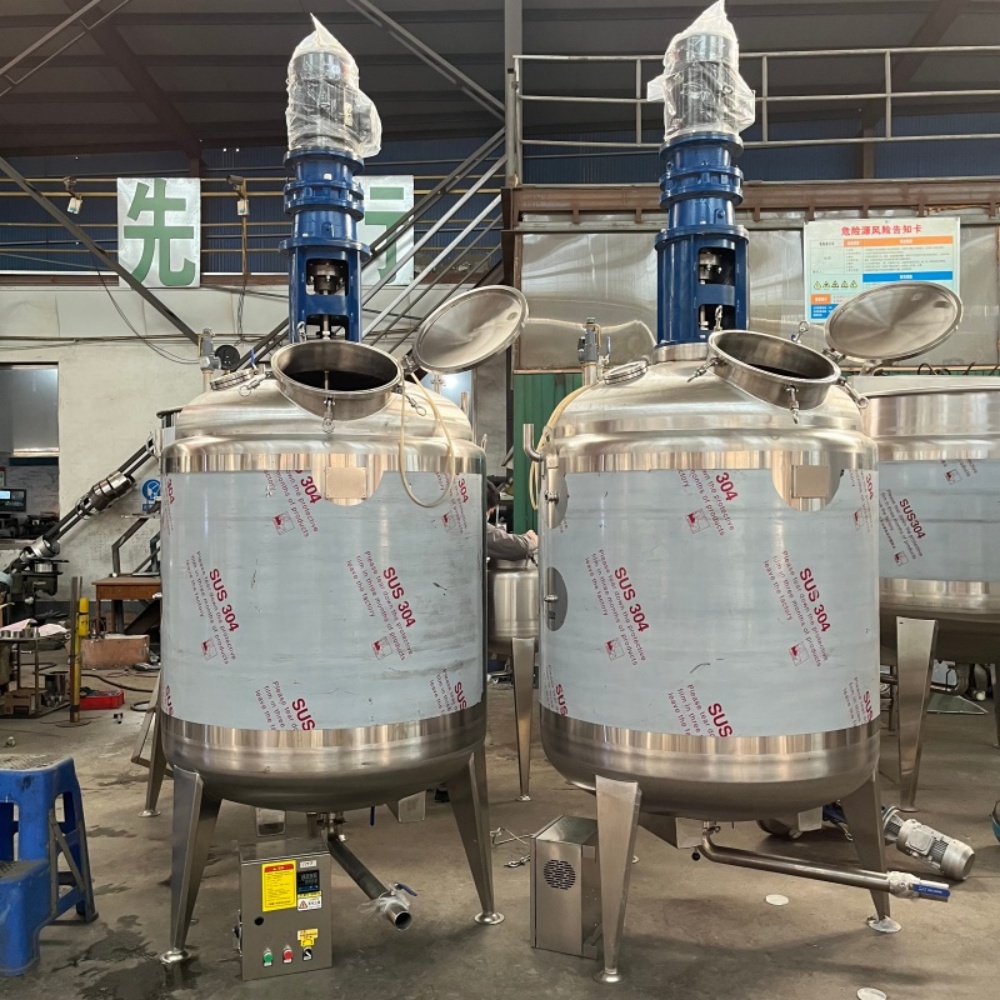
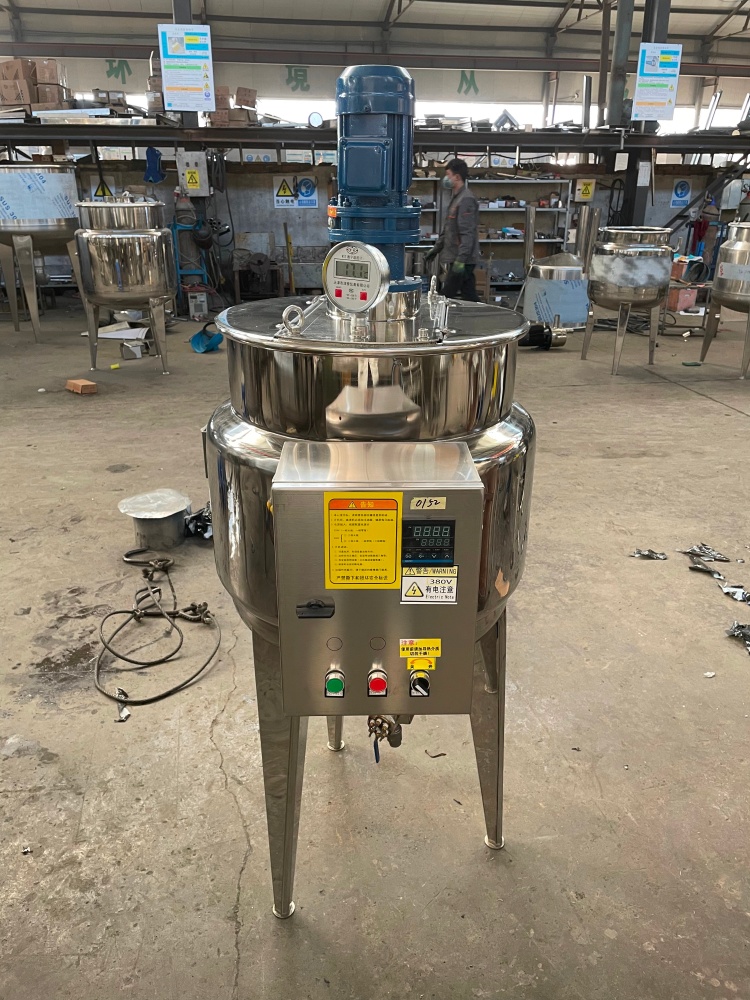
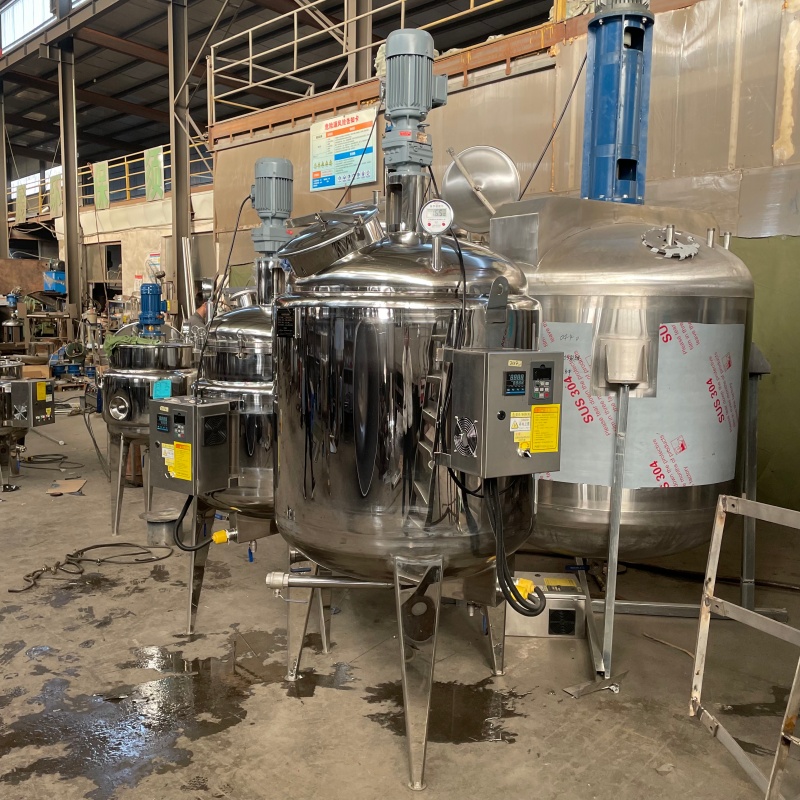
Mixing Homogenizer Tank


Mixing tank is a vessel designed to blend or combine different substances or components to create a homogenous mixture. The working process typically involves the following stepPreparation: This includes ensuring that the tank is clean and free from any residual material from previous batches. The tank should also be inspected for any damage or leaks.
Sampling: Periodically, samples are taken from the mixing tank to check the quality and uniformity of the mixture. These samples are analyzed in a laboratory or using on-site testing equipment to verify that the desired mixing parameters are being met.Adjustments can be made to the mixing process if necessary.
Parameter Sheet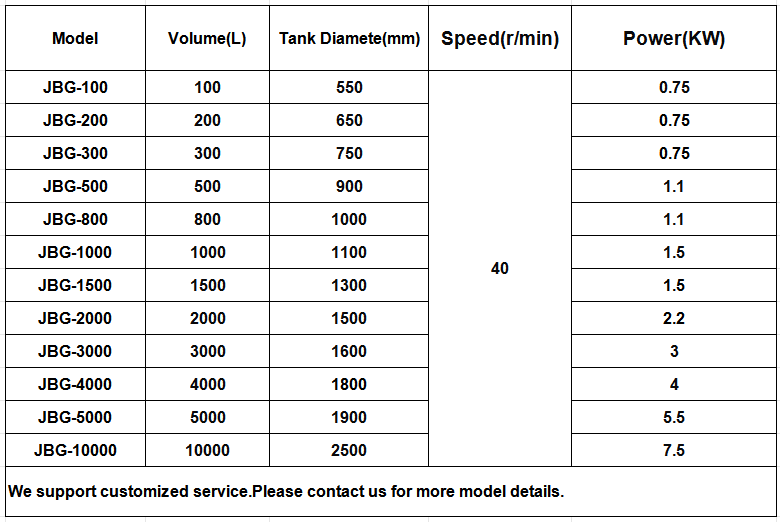
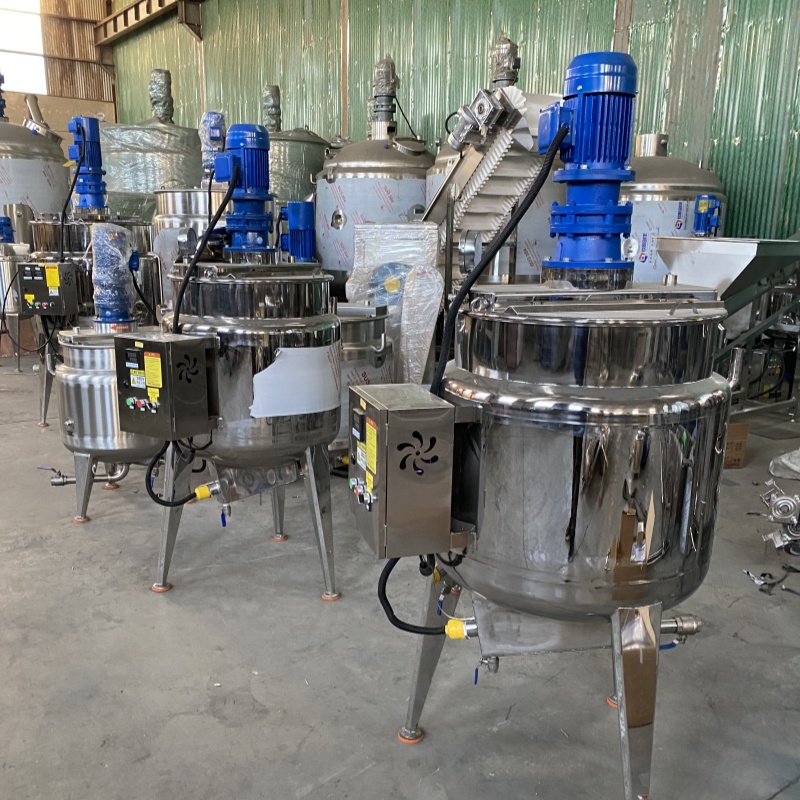
Related products
-

V Shape Mixer
1. Superior Mixing Unique V-shape ensures fast, homogeneous blending. Gentle tumbling protects fragile materials. Achieves RSD <2% for validated uniformity. 2. Premium Build 304/316L stainless steel construction. Sanitary, crevice-free design with CIP capability. Durable and built for long-term operation. 3. Full Capacity Range From lab (2L,5L ,15L, 20L, 30L) to production (100L to 5000L). Includes popular 50kg model. Custom sizes available. 4. Smart & Safe Operation User-friendly cont...
-

Ribbon Mixer Blender
Product Description Horizontal ribbon mixer by a U-shaped shell, spiral mixer into the blades and drive components; spiral ribbon blade is double internal and external structure of the material from both sides of the outer spiral to the central collection, inner spiral of the material transport from the center to both sides , forming convective mixing . Horizontal ribbon mixer for cohesive or cohesive mixture of powder and add the liquid and pasty powder mixed materi...