

Sand can be used in industries such as construction and hydraulic fracturing. With the continuous upgrading of industry standards, the demand for sand accuracy is also increasing. When screening fine sand, traditional screening equipment may encounter the problem of clogging during the production process. Below are the reasons and solutions that affect fine sand clogging.
1. Raw material factors
Fine sand particles are small and easily agglomerate due to moisture, viscosity, or electrostatic effects, causing clogging of sieve holes. If there are a lot of impurities such as mud and fibers, it will also increase the risk of pore blockage.
2. Screen factor
The aperture design of the screen mesh is unreasonable, such as the aperture being too small or the pore shape not suitable for screening materials, which can make it difficult for materials to pass through
3. Equipment factors
Lack of effective net cleaning devices, such as rubber elastic balls, makes it difficult to clean blocked materials in a timely manner.
2、 Solution method
1. Drying and dehydration: For fine sand with high moisture content, drying or dehydration treatment is carried out to reduce its viscosity and minimize agglomeration.
2. Pre screening treatment: Removing impurities such as mud and fibers from fine sand through washing, screening, and other methods to improve the purity of the material.
3. Enhance the self-cleaning ability of the screen mesh: Install rubber elastic balls and other cleaning devices at the bottom of the screen mesh, and use the principle of bouncing balls to clean blocked materials.
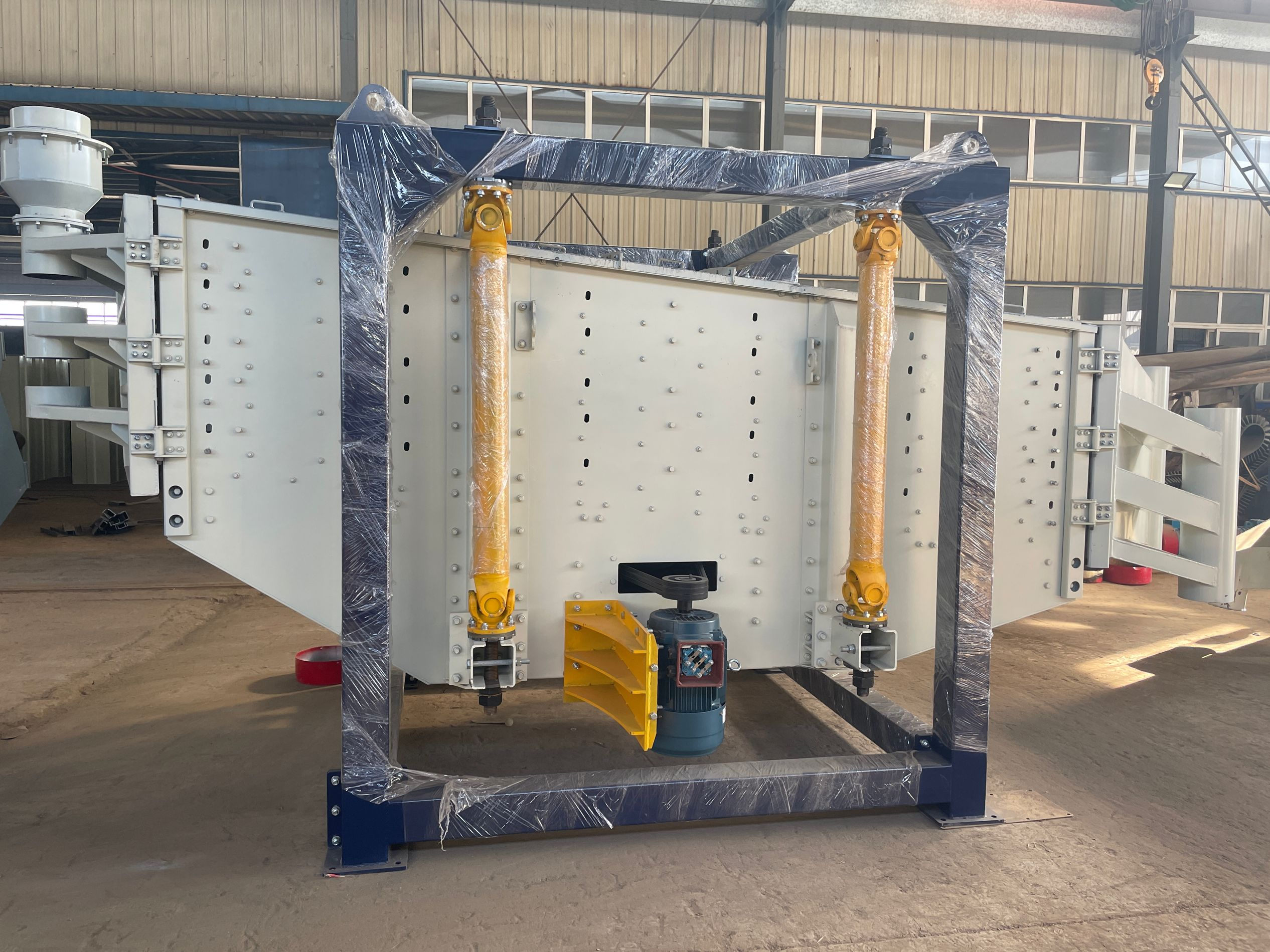
For the screening of fine sand, traditional linear screens can no longer meet the requirements of yield and accuracy. Square swing screens can effectively solve these problems.
Post time: May-08-2025